More about swallowing, eating and drinking
Swallowing, eating and drinking difficulties can make mealtimes stressful for you and your child. It may include trouble chewing, food getting stuck, coughing, or refusing certain foods or textures. Many children go through phases of picky eating, and this is often a normal part of growing up.
Swallowing, eating and drinking difficulties can make mealtimes stressful for you and your child. It may include trouble chewing, coughing, food getting stuck, or refusing certain foods or textures. Many children go through phases of picky eating, and this is often a normal part of growing up.
These difficulties can happen for different reasons. Your child may be sensitive to taste, texture or smell, or may feel unsure about trying new foods. Sometimes it can be linked to how their mouth muscles work, making chewing and swallowing harder.
It can feel upsetting to see your child struggle at mealtimes. Meals may take a long time or feel tense, and you might worry about your child eating enough. Keeping mealtimes calm and relaxed can help. Offer regular meals and snacks, eat together where you can, keep offering new foods, and praise small successes without forcing your child to eat.
Some simple activities can help build eating and drinking skills. Try fun blowing games like bubbles or candles, or practice drinking through different straws to build mouth strength. You can also use games with mirrors or songs to help your child practise closing their mouth and moving their lips. Seek help if things are not improving, if you are worried about your child’s weight, or if they often cough, choke, gag or become distressed when eating or drinking. You are not alone, and support is available.
Dribbling and drooling are common as children learn to control their saliva. It may be more noticeable when they are teething, tired, unwell, or concentrating, especially during play. Good head and body position can help children swallow more easily.
You can support your child by keeping them upright, offering regular drinks, and keeping mealtimes calm. Try fun activities like blowing, using straws, or sucking foods to build mouth strength. Wipe gently only when needed and encourage your child to notice when they are wet. Seek help if drooling continues, affects their skin, or causes concern — support is available.


 https://surreychildandfamily.co.uk/wp-content/uploads/2026/06/close-up-beautiful-black-baby-1-500x333-1.jpg
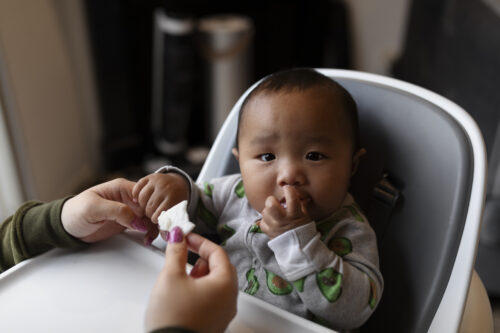
A baby sits in a high chair while an adult holds a spoon and feeds them.
https://surreychildandfamily.co.uk/wp-content/uploads/2026/06/close-up-beautiful-black-baby-1-500x333-1.jpg
A baby sits in a high chair while an adult holds a spoon and feeds them.