Surrey Child and Family App Logo

Download our new Surrey Child and Family app!

Our new family-focused app gives lots of information and advice.

Download our app
Current Vacancies
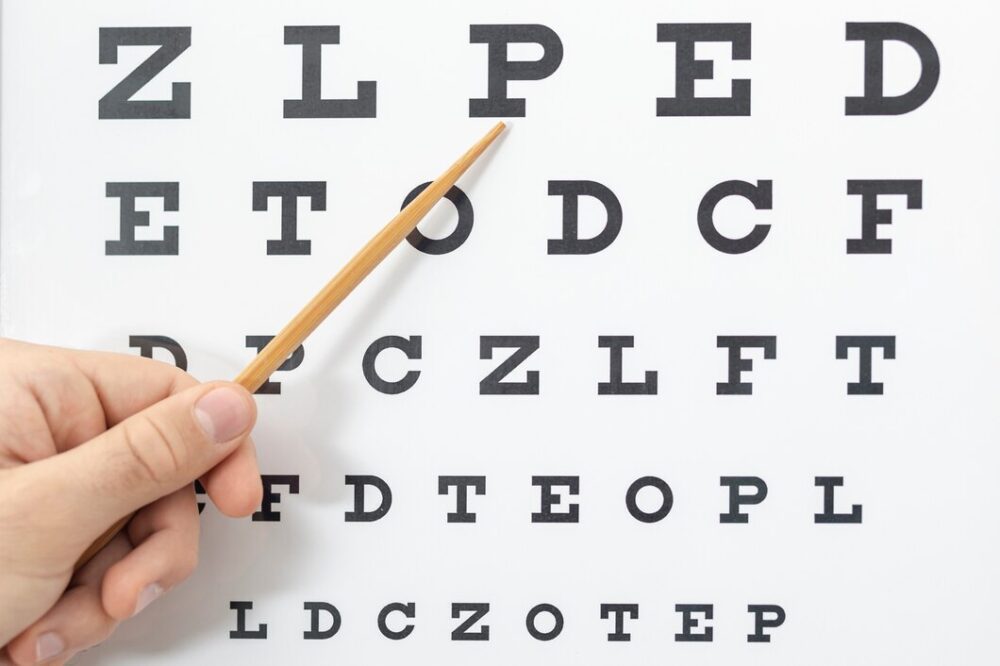
Close-up of an eye chart with black letters and a hand pointing at the top row with a wooden pointer. Close-up of an eye chart with black letters and a hand pointing at the top row with a wooden pointer.

Helping My Child with Speech Sounds

It can be worrying if your child finds it hard to say certain sounds or is difficult to understand, especially as they grow. Many children need extra time and practice to develop clear speech, and small changes can make a big difference. You are not alone, and there are simple ways to support your child at home to help their speech skills grow.

More about helping my child with speech sounds

Children learn speech sounds slowly over time, and it is normal for younger children to be hard to understand at first. Some sounds are trickier than others, and many children are still learning to say them clearly up to around age six. You might notice your child swaps sounds, misses sounds out, or says words differently each time.

For most children, this improves as they grow and get more practice. There are lots of everyday reasons why speech sounds may be difficult, and it is not your fault. Children learn by listening, watching, and copying, so things like hearing lots of clear speech, having time to listen, and joining in with play all help. Every child develops at their own pace, and some simply need more time. It can feel frustrating if you or others cannot always understand your child, and your child may also feel upset or lose confidence.

There are simple ways you can support your child at home. Try to get your child’s attention and eye contact before you speak, and talk at their level so they can see your face clearly. Speak slowly and clearly, and repeat words back the right way instead of correcting them directly. Praise your child when their speech is clear, and let them know kindly if you do not understand, helping them try again by pointing, showing, or choosing between options.

Making practice fun can really help your child learn. Spend a few minutes several times a week playing with sounds using actions, faces, and games, such as making animal noises or pretending sounds like “sss” for a snake or “b” for a bouncing ball. You can use a mirror so your child can watch how sounds are made, or make a simple scrapbook of pictures that match a tricky sound. If your child is still very hard to understand compared to other children their age, or they are becoming upset about speaking, it may be a good time to seek advice and support.

Questions and answers

Is it normal if my child can’t say some sounds clearly?
Yes, this is very common, especially in younger children. Many children are still learning new sounds and may not speak clearly all the time. Most improve as they grow and get more practice.
How can I help my child with speech sounds at home?
You can help by talking slowly and clearly and making sure your child can see your face. Repeat words back the right way instead of correcting them, and praise them when they speak clearly. Keep things relaxed and positive so your child feels confident to try.
What can I do if I don’t understand what my child is saying?
Let your child know kindly that you didn’t understand and ask them to try again. You can encourage them to point, show, or choose between options to help you work it out. This teaches them new ways to get their message across.
Are there any fun ways to practise speech sounds?
Yes, short, playful activities work well. Try making sounds during play, like “sss” for a snake or “b” for a bouncing ball, and use actions or silly faces to keep it fun. You can also use a mirror so your child can see how sounds are made.
When should I be worried about my child’s speech?
It may help to seek advice if your child is much harder to understand than other children their age. You may also want support if your child becomes upset or avoids speaking. Getting help early can make things easier for both of you.
Will my child grow out of speech sound difficulties?
Many children do improve on their own as they get older. However, some children need extra support to learn certain sounds. If you are unsure, it’s okay to ask for advice and reassurance.

Video library

Watch and follow along.

Downloads

Services that can help

Back to top Quick exit
Surrey Child and Family
Privacy Overview

This website uses cookies so that we can provide you with the best user experience possible. Cookie information is stored in your browser and performs functions such as recognising you when you return to our website and helping our team to understand which sections of the website you find most interesting and useful.